Uncategorized

Universal Waste Compliance for Manufacturing Facilities

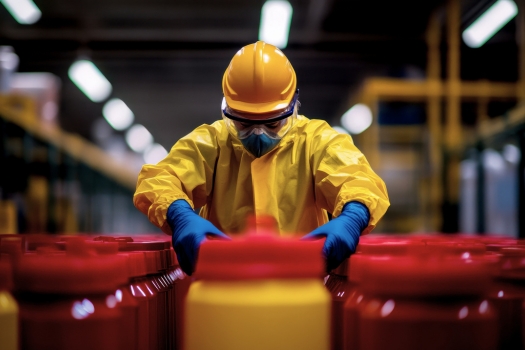
Manufacturing facilities commonly generate used batteries, spent lamps, aerosol cans, and mercury-containing equipment through routine production, maintenance, warehousing, and facility operations. When these materials meet hazardous-waste criteria, they may be eligible for management under the federal universal waste regulations rather than the full hazardous-waste requirements. The universal waste program is intended to simplify the collection […]

Universal Waste Compliance for Manufacturing Facilities Read More »
Hazardous Waste Challenges in Non-Medical Laboratories

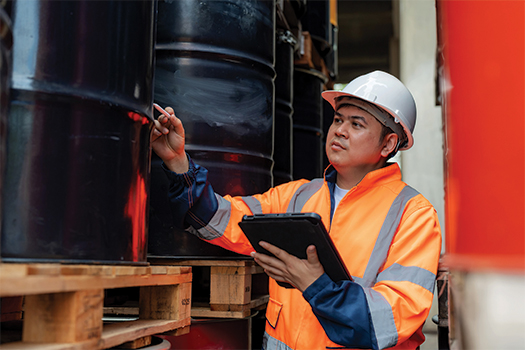
Non-medical laboratories generate some of the most varied and difficult waste inventories found in industrial and research environments. An industrial R&D facility, university laboratory, quality-control department, or materials testing lab may use solvents, acids, bases, oxidizers, analytical standards, and specialty reagents within the same workspace. The challenge is often not the total quantity of waste.

Hazardous Waste Challenges in Non-Medical Laboratories Read More »

Reduce Disposal Costs by Managing Materials as a Recyclable Instead of a Waste

Industrial facilities generate a wide range of materials through daily operations, including solvents, acids, off-spec products, process byproducts, and materials that may otherwise require hazardous waste disposal. In many cases, these materials are immediately classified as waste and routed for disposal without fully evaluating whether they still have usable value. However, the most significant impact

Reduce Disposal Costs by Managing Materials as a Recyclable Instead of a Waste Read More »

Managing Industrial Acid Waste and Corrosive Materials

Industrial acid waste requires careful evaluation, handling, storage, transportation, and disposal. Manufacturing facilities, chemical processors, maintenance operations, industrial service providers, and non-medical laboratories often generate acidic or corrosive waste streams through production, cleaning, surface preparation, testing, wastewater treatment, and equipment maintenance activities. These waste streams vary by process, concentration, contamination, physical state, and chemical composition.

Managing Industrial Acid Waste and Corrosive Materials Read More »

How Industrial Facilities Determine Whether Waste Is RCRA Hazardous

Accurate hazardous waste determination is one of the most important regulatory responsibilities assigned to industrial generators. Under the Resource Conservation and Recovery Act (RCRA), facilities that produce waste must determine whether that material qualifies as RCRA hazardous waste at the point of generation. This decision affects storage requirements, manifesting, reporting, and disposal costs, as well

How Industrial Facilities Determine Whether Waste Is RCRA Hazardous Read More »

How to Manage Chemical Byproducts in Manufacturing

Chemical byproducts are secondary substances produced during the manufacturing process. These byproducts, if not managed properly, can pose significant environmental and health risks. Moreover, compliance with hazardous waste regulations such as the Resource Conservation and Recovery Act (RCRA) is crucial for avoiding legal penalties and ensuring sustainable operations. This comprehensive guide outlines the best practices

How to Manage Chemical Byproducts in Manufacturing Read More »

Wattbar Industries