Universal Waste Recycling and Management Services
Compliant Recycling for Batteries, Lamps, Electronics, Aerosol Cans, Mercury Devices, and Pesticides
Universal waste is generated across facilities through routine operations such as maintenance, production, and equipment use. Materials like batteries, lamps, aerosol cans, mercury-containing devices, and certain pesticides require controlled handling, storage, and recycling to prevent accumulation risks and maintain compliance.
These waste streams fall under the Environmental Protection Agency’s Universal Waste Rule, which outlines requirements for proper handling, transportation, and recycling. While the rule provides a more streamlined framework than traditional hazardous waste regulations, facilities must still follow specific guidelines at both the federal and state level.
Wattbar Industries provides universal waste recycling and management services designed to support how facilities actually operate. Our team coordinates the collection, packaging, transport, and recycling of universal waste through a network of qualified environmental and transportation partners. Because universal waste can be stored for defined periods, we are able to structure pickup schedules that align with your operations while ensuring all materials are handled in accordance with regulatory requirements.
We support laboratories, industrial facilities, government operations, and commercial organizations with programs that are built around consistency, compliance, and operational efficiency.
E-Waste Recycling Services
Electronic waste is generated across facilities through routine equipment replacement, upgrades, and decommissioning. Depending on state regulations, certain electronic devices may be managed under universal waste guidelines, allowing for more streamlined handling and recycling.
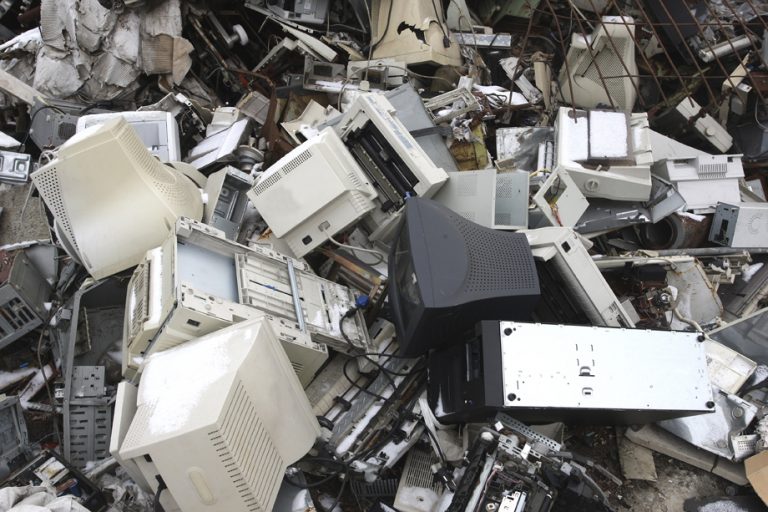
Common e-waste includes computers, monitors, printers, tablets, and other electronic equipment that is no longer in use. These materials must be handled through appropriate recycling channels to ensure safe processing and compliance with applicable requirements.
Wattbar Industries provides e-waste recycling as part of our universal waste management services. We coordinate the collection, packaging, transport, and recycling of electronic devices through qualified environmental partners, ensuring materials are handled properly and removed in alignment with facility operations.
Battery Recycling Services
Battery waste is generated across facilities through routine equipment use, maintenance, and replacement. This includes a range of chemistries such as lithium, alkaline, nickel-cadmium, nickel-metal hydride, and lead-acid batteries, all of which require proper handling to prevent short-circuiting, overheating, or other safety risks.
Wattbar Industries provides battery recycling services for facilities managing both high-volume and smaller-scale waste streams. We support scheduled pickup programs for bulk quantities as well as mailback options for facilities with lower volumes or multiple locations.
Our team assists with packaging, labeling, and transportation requirements to ensure batteries are handled correctly and removed in accordance with applicable regulations.
Fluorescent Bulb Recycling Services
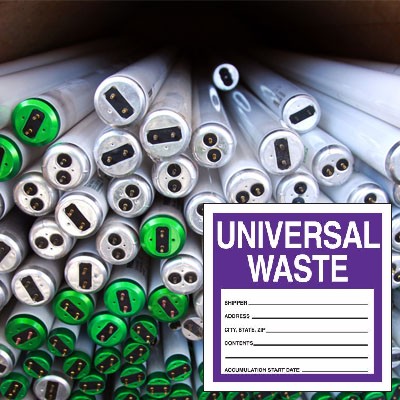
Fluorescent lamps and other mercury-containing bulbs are commonly generated during facility maintenance, retrofits, and lighting upgrades. Because these materials contain mercury, they require proper storage, packaging, transport, and recycling to help prevent releases and maintain compliance.
Common universal waste lamps include compact fluorescent lamps (CFLs), linear fluorescent tubes, high-intensity discharge (HID) lamps, and other mercury-containing bulbs.
Wattbar Industries provides fluorescent bulb recycling as part of our universal waste management programs. We help coordinate packaging, pickup, transportation, recycling, and documentation support through qualified environmental partners, with service options designed around each facility’s volume, schedule, and operating needs.
Let us help you with your hazardous waste. Call us here
Why Facilities Choose Wattbar For Waste
Wattbar Industries supports industrial and commercial facilities that need a consistent and reliable approach to managing universal waste. Our programs are designed around how waste is generated and handled in real operating environments, not just regulatory requirements.
We coordinate the full process, including storage guidance, packaging, transportation, and recycling, through a network of qualified environmental and transportation partners. This allows facilities to manage universal waste as part of a structured system rather than a reactive task.
Our team works with both single-site and multi-location operations to implement programs that reduce accumulation risk, maintain compliance, and align with day-to-day operations. In addition to recycling services, Wattbar provides support with training, permitting, and Environmental, Health and Safety program alignment where needed.
Universal Waste Mail-Back Options
For facilities that generate smaller quantities of universal waste or manage waste across multiple locations, mail-back kits can provide a flexible alternative to scheduled pickup.
Mail-back programs may be available for eligible materials such as:
- Batteries
- Lamps
- Mercury-containing devices
- Select e-waste, where allowed by state regulations
- Other approved small-quantity waste streams
Kits typically include approved packaging, shipping instructions, and documentation to help facilities send materials to a qualified recycling or disposal destination. Some materials, including lithium batteries, aerosol cans, damaged items, and certain electronics, may require additional review before shipment due to DOT, carrier, state, or material-specific requirements.
Wattbar Industries can help determine whether a mail-back kit, scheduled pickup, or combined program is the right fit based on waste type, volume, location, and compliance needs.
Contact us
Universal Waste Recycling FAQs
What is considered universal waste in a facility?
Universal waste typically includes batteries, fluorescent lamps, aerosol cans, mercury-containing devices, and certain electronics depending on state regulations. These materials are generated through routine operations and must be managed separately from general waste.
How often should universal waste be removed?
Removal schedules depend on the volume of waste generated and how materials are stored on-site. Many facilities operate on scheduled pickup programs to prevent accumulation and maintain compliance with storage time limits.
When should I use a mailback program instead of scheduled service?
Mailback programs are best for facilities generating smaller quantities of universal waste or managing multiple locations where on-site service is not practical. Larger facilities with consistent waste volumes typically use scheduled pickup programs.
Can universal waste be handled with other hazardous waste streams?
Universal waste is managed under a different set of regulations and is typically handled separately from fully regulated hazardous waste. However, facilities often coordinate both programs together to ensure all waste streams are managed correctly.